SPECIALTY CERTIFICATIONS
Our therapists are committed to delivering exceptional, evidence-based care through advanced specialty certifications and continuing education. These certifications reflect extensive training beyond entry-level practice, allowing our team to provide expert evaluation and treatment for a wide range of orthopedic, neurological, and specialty rehabilitation needs. We are dedicated to lifelong learning so you can feel confident you're receiving the highest quality care tailored to your individual goals.
Certified Hand Therapist (CHT)
A CHT is a specialized occupational or physical therapist with advanced training and expertise in treating injuries and conditions affecting the hand, wrist, elbow, and upper extremity
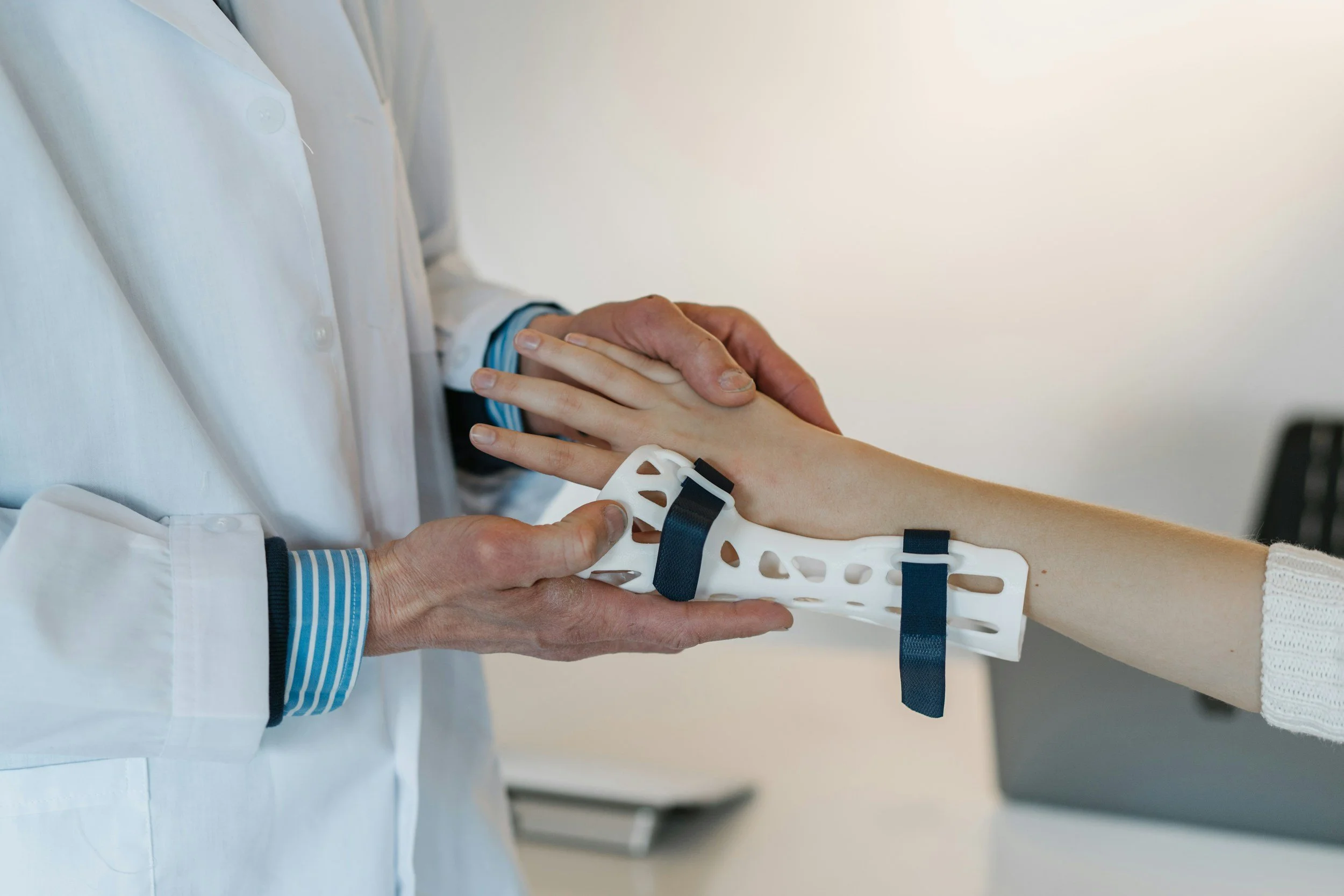
Custom Splints
A custom upper extremity splint is a specially fitted support designed by an occupational therapist to protect, stabilize, or improve movement of the hand, wrist, or arm while supporting healing and function.
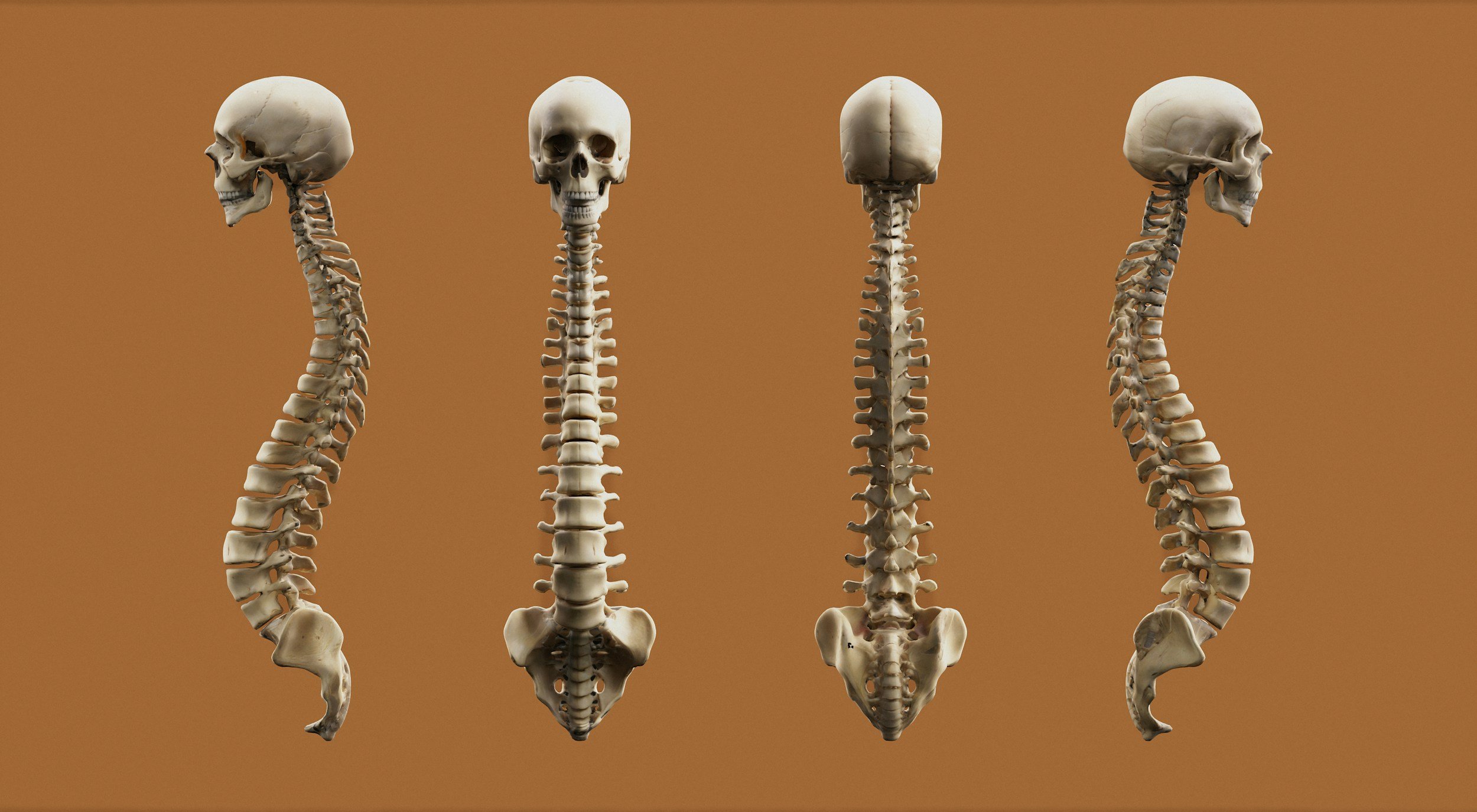
Schroth Method for Scoliosis
The Schroth Method is a specialized physical therapy approach for scoliosis that uses individualized exercises, posture correction, breathing techniques, and movement strategies to improve spinal alignment, strength, and overall function for adolescence and adults.
PORi Certification
PORi-certified breast cancer rehabilitation provides specialized therapy to help individuals recover from the physical effects of breast cancer treatment, including improving mobility, strength, posture, and managing lymphedema and other treatment-related symptoms.
Vertigo
Vertigo treatment uses specialized physical therapy techniques to reduce dizziness, improve balance, and address problems with the inner ear and vestibular system to help restore safe, confident movement.
Dry Needling
Dry needling is a specialized physical therapy technique that uses thin, sterile needles to target muscles and trigger points to help reduce pain, improve mobility, and restore normal muscle function.
FAAOMPT
FAAOMPT certification represents advanced training and expertise in orthopedic manual therapy, with a focus on specialized assessment, hands-on treatment, and evidence-based care for musculoskeletal conditions.
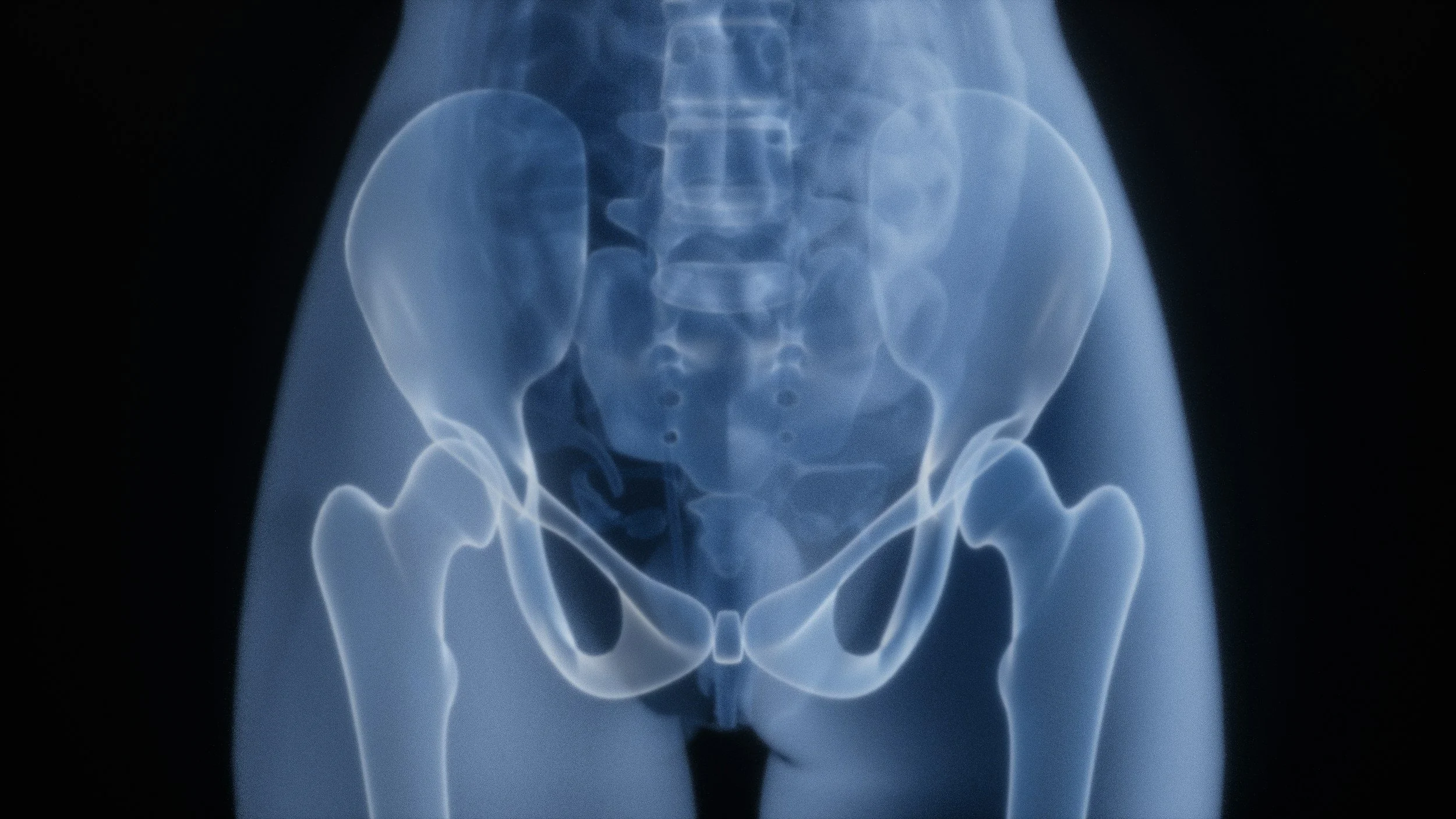
Pelvic Heath
Pelvic floor therapy is a specialized form of physical therapy that helps improve the strength, coordination, and function of the pelvic floor muscles to address issues such as pelvic pain, bladder or bowel concerns, and postpartum recovery.

Certified Hand Therapist (CHT)
A Certified Hand Therapist (CHT) is an occupational or physical therapist with advanced clinical expertise in evaluating and treating conditions of the hand, wrist, elbow, and upper extremity. To earn the CHT credential, therapists must complete at least three years of clinical practice, accumulate over 4,000 hours of direct upper extremity treatment experience, and pass a comprehensive national certification exam. Certified Hand Therapists provide specialized care for fractures, tendon and nerve injuries, arthritis, post-surgical rehabilitation, sports injuries, repetitive strain conditions, and custom orthotic fabrication. Their advanced knowledge helps patients restore function, reduce pain, and return to the activities that matter most.
Custom Splints
Our occupational therapist specializes in designing and fabricating custom orthoses (splints) to support healing, protect injured tissues, improve function, and reduce pain. Each splint is individually molded to provide a precise fit based on your diagnosis, anatomy, and treatment goals. Custom splints can be used following surgery or injury, for tendon and nerve conditions, arthritis, fractures, and a variety of hand and upper extremity disorders. By combining expert clinical knowledge with personalized care, we help patients maximize recovery while safely returning to daily activities, work, and recreation.
PORi Certification
A therapist certified through the Physiological Oncology Rehabilitation Institute (PORi) has advanced training in cancer rehabilitation, with specialized expertise in caring for individuals before, during, and after cancer treatment. This certification equips therapists to address the unique physical challenges associated with cancer and its treatment, including lymphedema, limited range of motion, scar tissue restrictions, pain, fatigue, weakness, and functional limitations. Using evidence-based techniques and personalized treatment plans, our PORi-certified occupational therapist helps patients regain strength, improve mobility, manage treatment-related side effects, and confidently return to the activities that are most important to them throughout their cancer recovery journey.

Schroth for scoliosis
Living with scoliosis doesn’t mean you have to live with limitations. The Schroth Method is a specialized, individualized approach to physical therapy that helps patients improve posture, spinal alignment, strength, mobility, and body awareness. Using scoliosis-specific exercises, breathing techniques, and postural training, our therapists work with you to address your unique spinal curvature and movement patterns. Whether you’re an adolescent navigating a growing spine or an adult looking to improve comfort and function, Schroth-based therapy can help you feel stronger, move with greater confidence, and take an active role in managing your scoliosis.
Vestibular Rehab (Vertigo)
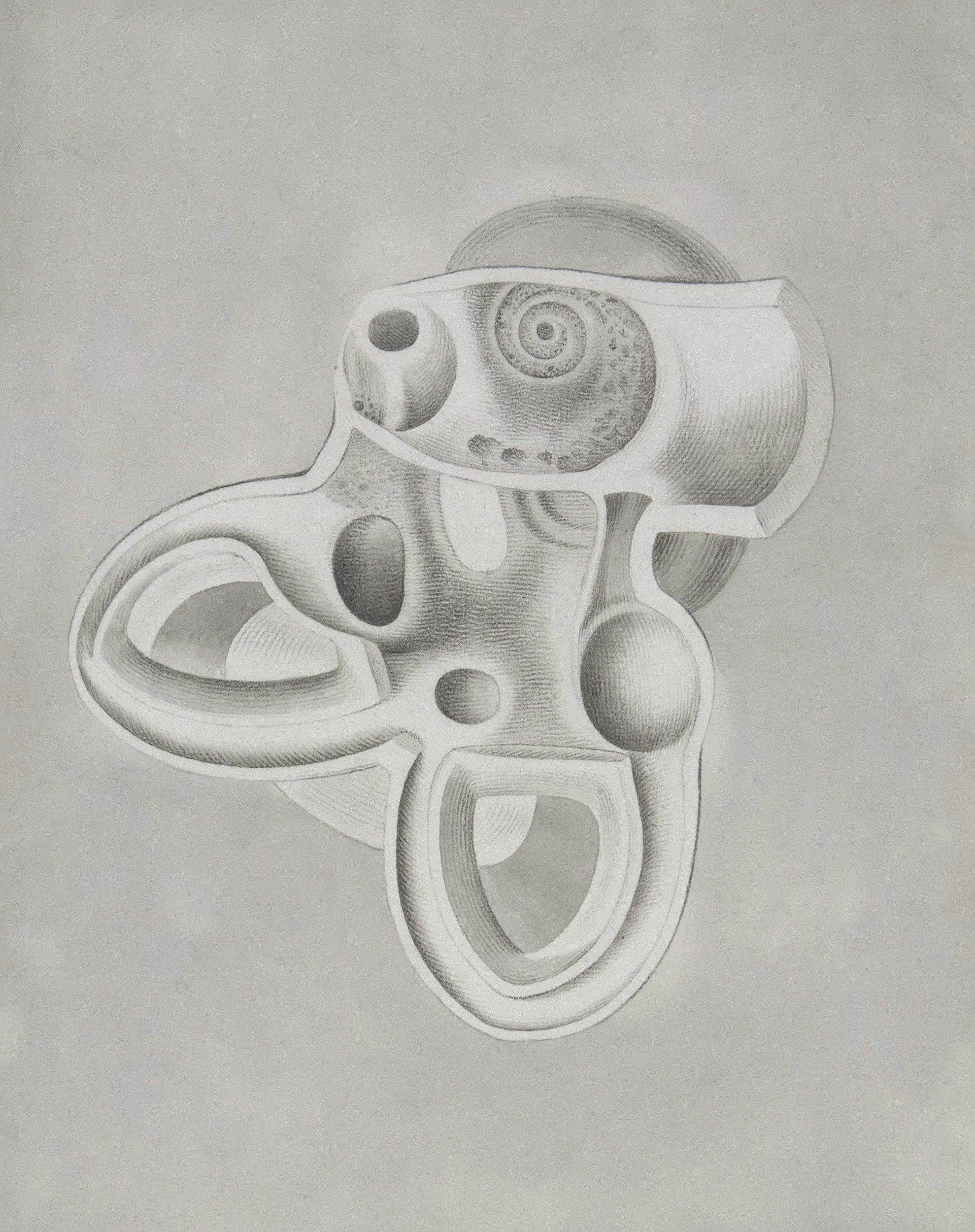
Vertigo is a sensation of spinning, dizziness, or feeling off-balance that can make everyday activities difficult or uncomfortable. It is often caused by problems within the inner ear or the systems that help your brain and body maintain balance. Physical therapists can evaluate the underlying cause of your dizziness and develop an individualized treatment plan to address it. Treatment may include specialized positioning techniques, such as the Epley maneuver, balance and coordination exercises, gaze stabilization, and exercises designed to improve the brain’s ability to process movement and balance information. Our goal is to reduce dizziness, improve balance and confidence, and help you safely return to your normal activities.
Dry Needling
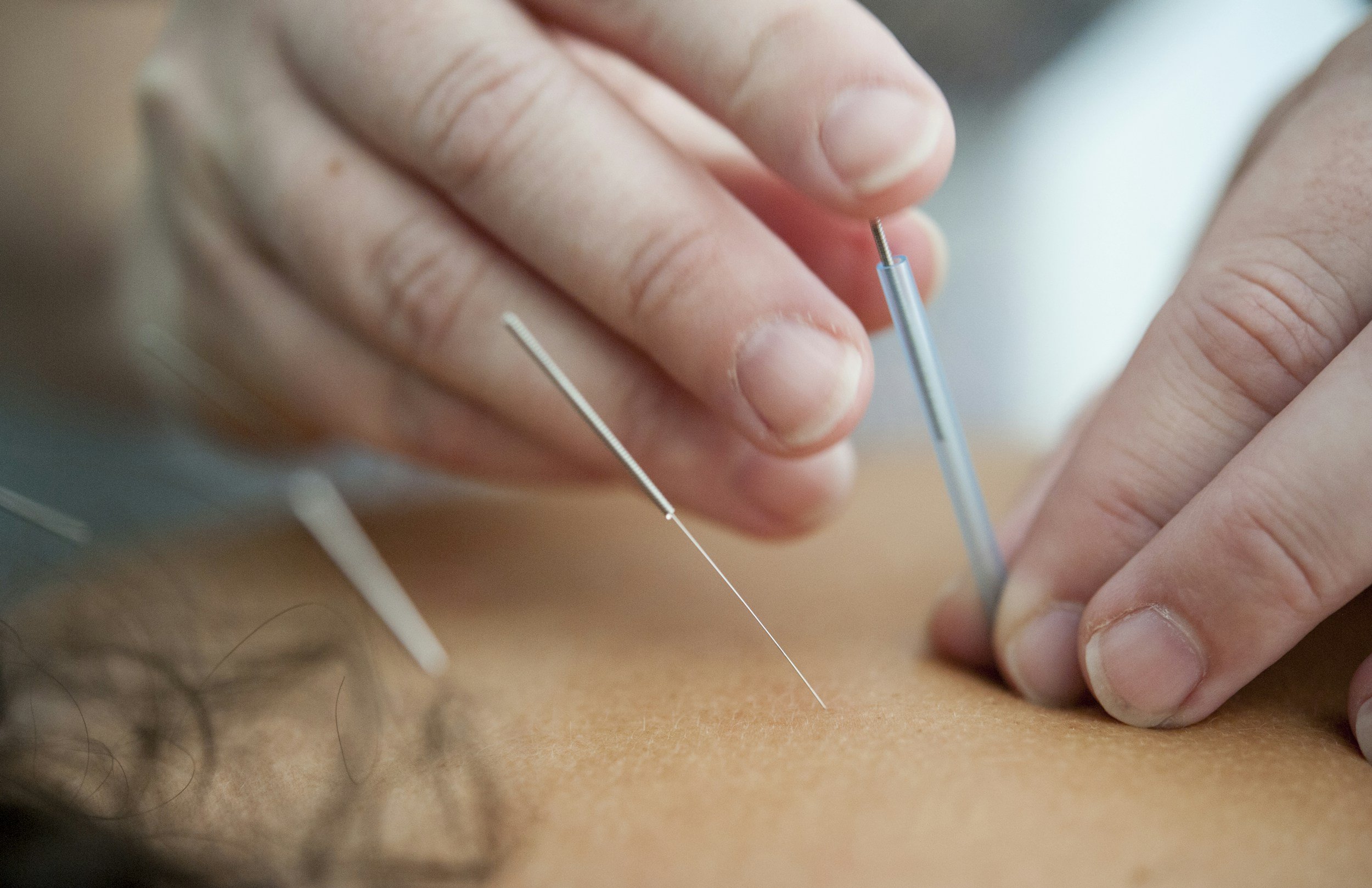
Dry needling is an advanced treatment technique performed by specially trained physical therapists to relieve pain, reduce muscle tension, and improve movement. Using thin, sterile needles, the therapist targets myofascial trigger points and areas of muscle dysfunction to promote healing and restore normal muscle function. Dry needling can be an effective treatment for a variety of orthopedic conditions, including neck and back pain, headaches, tendon injuries, sports injuries, and chronic muscle tightness. When combined with exercise and hands-on therapy, dry needling can help decrease pain, improve mobility, and support a faster return to daily activities, work, and recreation.
FAAOMPT
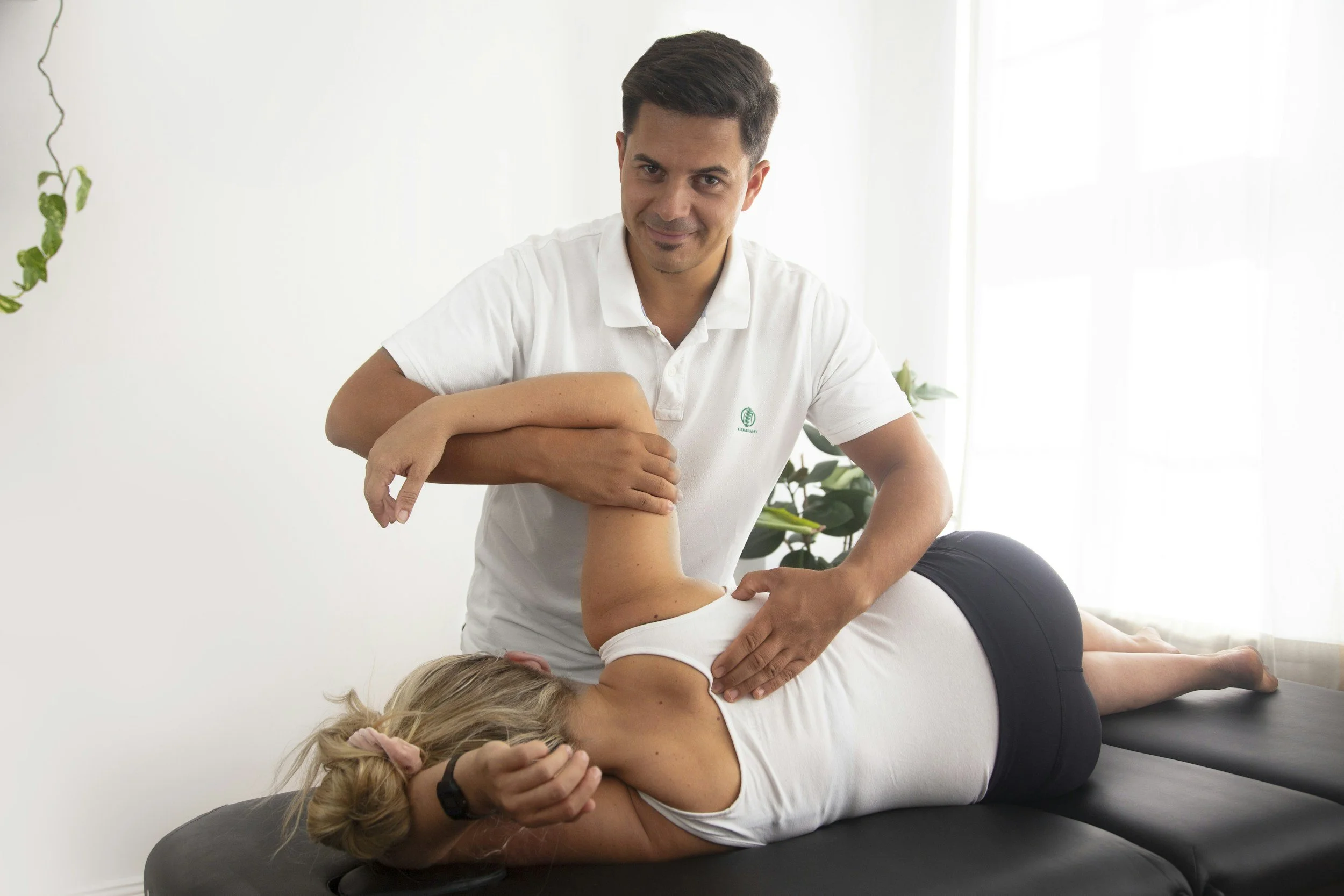
FAAOMPT stands for Fellow of the American Academy of Orthopaedic Manual Physical Therapists and represents advanced training and expertise in orthopedic and manual physical therapy. A FAAOMPT therapist has completed rigorous postgraduate education and specialized clinical training in areas such as hands-on manual therapy, movement assessment, exercise, and evidence-based treatment techniques. This advanced level of training allows your therapist to take a comprehensive approach to identifying the source of your pain or movement limitations and developing a treatment plan tailored to your specific needs. Working with a FAAOMPT can provide an added level of expertise and individualized care, helping you move better, recover more efficiently, and return to the activities you enjoy.
Pelvic Floor Health
Pelvic Floor Therapy is a specialized form of physical therapy focused on the muscles, connective tissues, and surrounding structures of the pelvic region. These muscles play an important role in bladder and bowel control, sexual function, core stability, and overall movement. Pelvic floor therapy can help individuals experiencing pelvic pain, urinary or bowel concerns, postpartum changes, weakness, or difficulty with core and pelvic stability. Your physical therapist will perform a personalized evaluation and develop a treatment plan that may include targeted exercises, manual therapy, movement training, and education. By addressing the underlying causes of pelvic floor dysfunction, therapy can help reduce symptoms, improve strength and coordination, and restore confidence in everyday activities.